
International Day of Sport for Development and Peace
The power of sport in bringing people together
Sports are loved worldwide. Football is especially popular, with the FIFA World Cup one of the most-watched sporting events. For example, the 2022 World Cup in Qatar reached 5 billion fans across all media, as the final, featuring France and Argentina, drew 1.42 billion viewers. The immense popularity of sports has the power to bring people together. This aligns with this year’s International Day of Sport for Development and Peace, rightly themed “Sport: Building Bridges, Breaking Barriers.”
Sports can connect communities across borders and generations, creating spaces for dialogue, solidarity, and mutual respect. Team sports like football are a very good example of this. The reason sports hold such power is that they tap into a mix of psychological, identity, and shared experiences that very few things can replicate.
For one, the unscripted, unpredictable nature of it creates a kind of live tension that demands your full attention, with the anticipation that something meaningful could happen at any moment, and you want to be a witness to it as it unfolds.
Two, sports most often involve investing emotionally and having the ability to create a sense of identity, whether as a team, city, country, or community. In most instances, supporting a team often becomes part of a personal identity, where wins feel personal and losses feel shared.
Three, sports are always a shared ritual and collective experience involving cheering, chanting, and celebrating. Whether you are watching with friends, family, or strangers, it is about experiencing the same highs and lows together.
There is also the fact that people always love a good story, and sports have some of the best underdog vs giant matchups, comebacks, rivalries, and individual journeys and redemption stories you can ever imagine. To this end, sports bring people together and transcend diverse bonds to ignite something greater.
The nature of sports makes it a catalyst for development. For example, the 2010 World Cup in South Africa injected about USD 2.8 billion into the country’s economy. It generated USD 1.7 billion in direct spending and an estimated 159,000 new jobs.
Hosting the World Cup also led to major upgrades in the country’s transport infrastructure, including new stadiums that are still in use today. The Moses Mabhida Stadium in Durban stands out. It hosted seven matches in the 2010 World Cup, as well as a T20 cricket match between South Africa and India, which set a record attendance of 54,000 for a cricket match in Africa. The creation of the stadium injected R155 billion directly and indirectly into the Durban region, creating 14,000 jobs that have positively impacted low-income households. The stadium has since achieved icon status and become a tourist hotspot, hosting live music concerts and other events.
Sports also serve as a tool to promote peace. The communal nature of sporting events makes them well-suited to bring diverse groups of people together to participate in a shared activity. Team sports are especially well-suited to this role because they foster an environment where many people must work together to succeed. This helps create bonds and bring together groups that would otherwise be enemies.
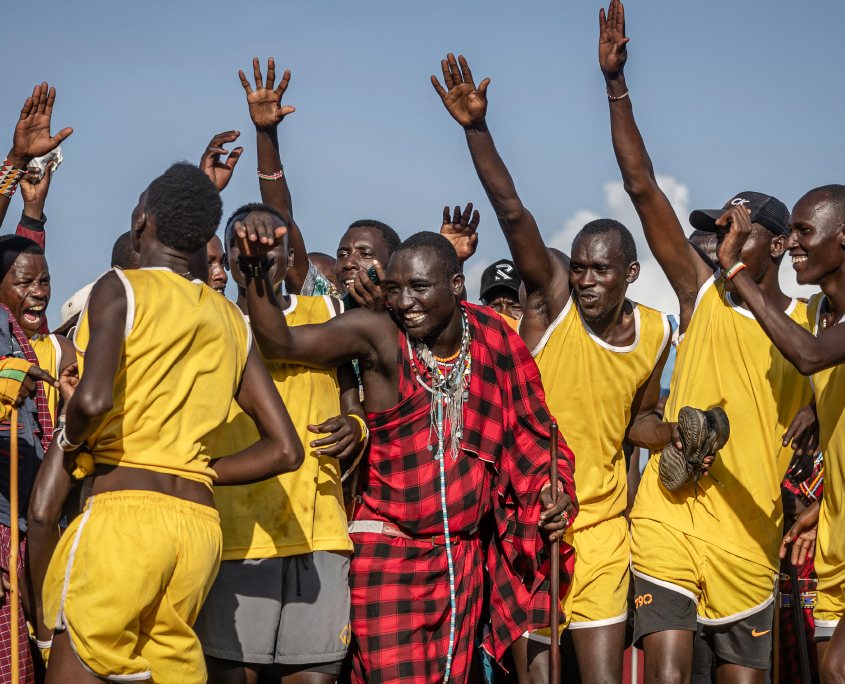
One example of this happened in Kenya, in Baringo and Elgeyo Marakwet counties, where there have been multiple cases of cattle rustling and banditry caused by young people. This caused major conflicts between the two communities. In October 2024, Kenya Defence Forces troops worked with Finn Church Aid, the Catholic Justice and Peace Department, and local peace committees to organise a football match. This event marked the end of a week-long peace outreach and aimed to bring together youth from both counties to foster cohesion and coexistence among their communities.
Social cohesion, in this instance, played a significant role in promoting social justice and equality. By fostering an environment where everyone can thrive and succeed, regardless of background, such community activities serve as a critical platform that ignites social bonds and promotes peaceful coexistence.
All in all, sports possess a unique ability to unite people across backgrounds towards development and peace. From driving economic growth through major events to building bridges between conflicting communities, sports consistently demonstrate unmatched power to inspire positive change and promote unity worldwide.

