
World Pulses Day
From modesty to excellence: The story of pulses in Africa
Across much of Africa, pulses have long occupied a modest place on the plate. Beans, lentils, cowpeas, pigeon peas, and chickpeas were rarely celebrated as centre pieces of cuisine or symbols of abundance. Instead, they were everyday foods, reliable, filling, and quietly sustaining households through periods of uncertainty. For generations, pulses were valued less for prestige and more for practicality, woven into daily life as a steady source of nourishment when resources were limited.
This modesty was never a reflection of their importance. In many regions, pulses formed the backbone of food systems adapted to challenging environments. Grown in semi-arid landscapes and marginal soils, they thrived where other crops struggled. Farmers understood their resilience intuitively: pulses restored soil fertility through nitrogen fixation, required relatively little water, and could be stored for long periods without sophisticated infrastructure. Long before the language of sustainability entered global discourse, pulses were already performing that role.
In household kitchens, pulses carried both social meaning and nutritional value. They were the food of patience and preparation, often requiring soaking, slow cooking, and shared labour. In rural communities and urban neighbourhoods alike, they appeared in stews, sauces, and mixed dishes designed to stretch ingredients and feed many. Their presence signalled continuity, meals that endured through droughts, price fluctuations, and shifting seasons. Yet despite this centrality, pulses were rarely associated with aspiration or progress.
Colonial and post-colonial agricultural policies often reinforced this perception. Export-oriented cash crops were prioritised, while traditional food crops received limited investment or research support. Over time, pulses became framed as subsistence foods rather than strategic assets. This narrative shaped markets, dietary preferences, and even self-perception, particularly as imported staples and animal proteins gained status in urbanising societies.
In recent years, this story has begun to change. Pulses are increasingly recognised for what African farming communities have long known: they are nutritionally dense, environmentally sustainable, and economically versatile. Rich in protein, fibre, and micronutrients, pulses address multiple forms of malnutrition without requiring costly inputs. As concerns about climate resilience and food security grow, their ability to withstand erratic rainfall and improve soil health has drawn renewed attention.
This reappraisal is also visible in innovation and enterprise. Across the continent, smallholder farmers, cooperatives, and agri-processors are improving seed varieties, refining post-harvest handling, and developing pulse-based products for local and regional markets. Pulses are appearing in school feeding programmes, urban food businesses, and export value chains, not as emergency foods, but as ingredients of choice. Their versatility allows them to move easily between tradition and modernity, retaining cultural familiarity while adapting to new forms of consumption.
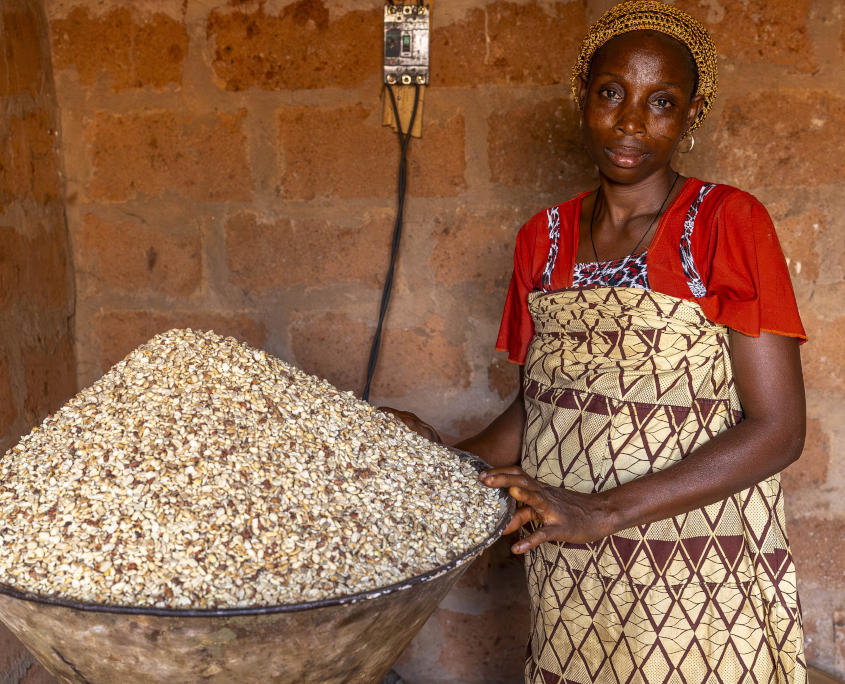
Crucially, the rise of pulses challenges long-standing assumptions about value and excellence in African food systems. Excellence is no longer defined solely by yield or export revenue, but by resilience, nutrition, and inclusivity. Pulses embody this shift. They support livelihoods at multiple scales, from women managing household plots to farmers supplying growing urban markets. They also offer a pathway to healthier, more sustainable diets without severing ties to cultural identity.
From modest beginnings to renewed recognition, the story of pulses in Africa is one of quiet transformation. What was once overlooked is now understood as foundational. Pulses remind us that excellence does not always arrive through novelty or scale; sometimes it emerges from recognising the strength of what has always been there.

