
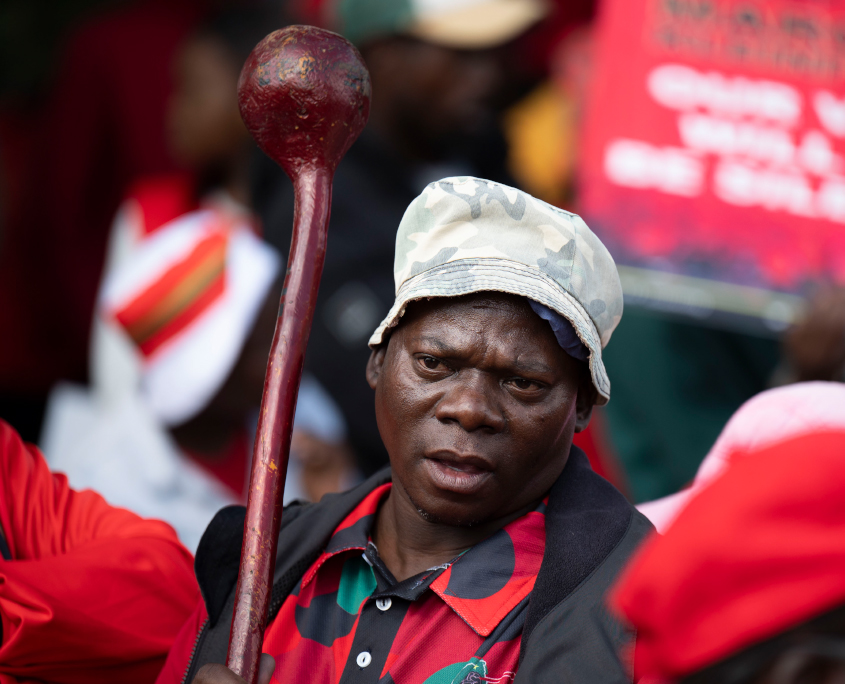
Zero Discrimination Day
Standing together with African youth against discrimination
Zero Discrimination Day has its roots in the 20th-century UNAIDS campaign to combat discrimination against people living with HIV/AIDS. It has since evolved to a broader spectrum of discrimination that includes, but is not limited to, race, gender, disability, and socio-economic status. This year’s theme is “We stand together.” As we call attention to these other forms of discrimination, we highlight the bias that African youth face not only on the continent but internationally as well.
Africa has the youngest population in the world, with 70% of its population under the age of 30. Across the continent, youth face discrimination based on factors such as socio-economic status. This has led many talented youths to miss out on key opportunities for unjust reasons. Infrastructural challenges also contribute; a lack of quality education and job opportunities due to an oversaturated job market has left overqualified youth having to scrape by in low-skill jobs for little pay.
African youth face similar issues abroad as they experience discrimination based on race, as well as other factors such as doubt over education and qualification. Some youths have been sold a dream of better work with better pay, only to end up being forced into intensive manual labour in harsh conditions with squalid living spaces. In many of these cases, their documentation, such as passports being confiscated, has left them trapped. This sort of discrimination violates several human rights and is, unfortunately, not an uncommon occurrence.
Much of the discrimination results from many failures on an infrastructural level. Acting outside the interests of the people, underinvestment in education, and systemic corruption are all ways that poor governance negatively affects and discriminates against youth. Neglecting to involve youth in the decision-making process emphasises these issues, as it prevents necessary steps from being taken to resolve them. Additionally, women and girls often face greater discrimination based on gender and are subject to dangerous practices such as child marriage and FGM. All these issues contribute to African youth lacking opportunities to develop their talent.
To resolve this, more effort is needed to address key areas that act as barriers to African youth developing their talents and fulfilling their potential. Investments in areas like the education sector would allow talented youth to explore subjects of interest, develop their talents and skills, and gain the credibility that they need to pursue their interests in any field of their choosing.
Youth empowerment programs and opening job opportunities would create platforms for the youth to develop their talents. This would also allow the youth to positively contribute to improving their nations (through many avenues, such as economically) and bettering society. Additionally, this would improve Africa’s contribution on a global scale, which would aid in marketing Africa’s talented youth worldwide.

