
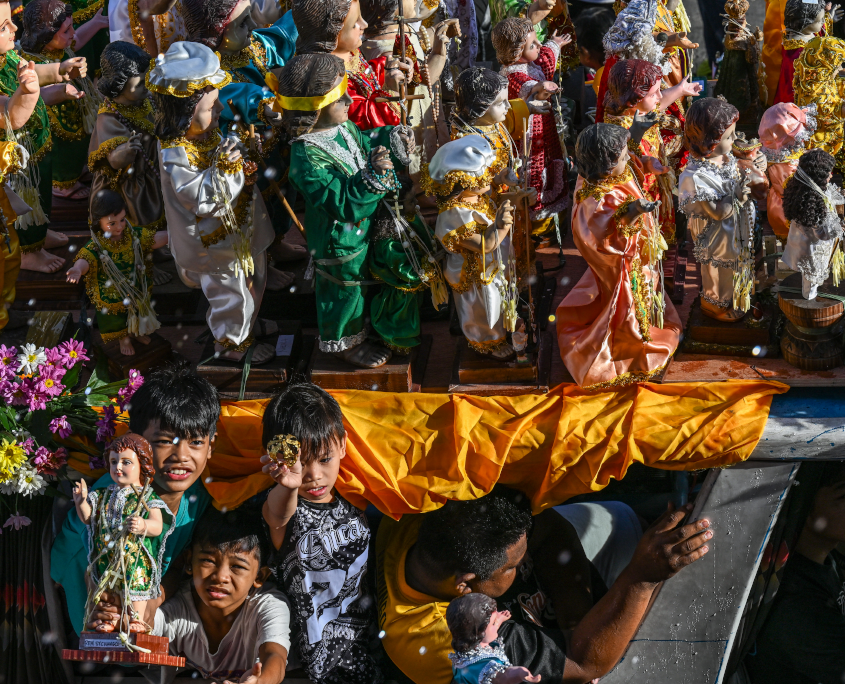
International Day Commemorating the Victims of Acts of Violence Based on Religion or Belief
What religious diversity can teach us about dialogue
Religious diversity has become one of the defining characteristics of modern societies. This is because migration, urbanisation, technological advancement, and globalisation have brought people of different faiths, beliefs, and worldviews into closer contact than ever before. Communities that were once relatively homogeneous are increasingly multicultural and multifaith, creating both new opportunities and new responsibilities for how societies communicate, collaborate, and coexist.
Understanding this diversity used to be a matter of religious interest. Today, it has become an important consideration for inclusive development. Whether designing public health campaigns, strengthening education systems, supporting humanitarian responses, conserving natural resources, or promoting peacebuilding, development initiatives increasingly operate within communities where multiple belief systems shape how people understand information, make decisions, and engage with one another.
This religious diversity is an invitation to communicate differently. It challenges us to move beyond assumptions, engage with curiosity, and recognise that dialogue is not about eliminating difference but about building understanding in spite of it. In this context, dialogue becomes necessary to build trust, reduce misunderstandings, and create the conditions for cooperation. Dialogue does not require people to abandon deeply held beliefs or minimise genuine differences. Rather, it encourages respectful engagement rooted in listening, empathy, and the recognition of our shared humanity. It creates space for people to understand not only what others believe but also how those beliefs shape their experiences, priorities, and contributions to society.
History has shown that religious diversity can sometimes become a source of tension when fear, misinformation, or prejudice replaces understanding. Acts of violence motivated by religion or belief often arise from narratives that dehumanise others, reduce complex identities to stereotypes, or portray difference as a threat rather than a reality to be understood. Challenging these narratives requires not only policy responses but also thoughtful communication that promotes respect, encourages critical reflection, and amplifies voices that build bridges rather than deepen divisions.
Importantly, religious diversity is not defined only by differences. Across faith traditions and belief systems, many shared values emerge, such as, compassion, justice, service, generosity, care for vulnerable communities, stewardship of the environment, and respect for human dignity. These values have long inspired individuals and organisations to contribute to education, healthcare, humanitarian assistance, environmental conservation, and community development.
Recognising these shared commitments does not erase theological differences. Instead, it demonstrates that collaboration is possible even where beliefs differ. Communities around the world continue to show that people of different faiths can work together to respond to disasters, support displaced families, protect natural resources, improve education, and address poverty. Their cooperation illustrates that dialogue is not merely an exchange of ideas but also a foundation for collective action.
Communication plays an essential role in shaping how this diversity is understood. The stories societies choose to tell influence perceptions of others and shape public discourse. When communication focuses only on conflict or difference, it can reinforce division. When it highlights cooperation, shared values, and lived experiences, it creates opportunities for greater understanding.
Knowledge sharing makes an important contribution. Publications, community stories, educational resources, and documented experiences can help preserve examples of successful dialogue while ensuring that diverse perspectives are represented accurately and respectfully. They provide platforms where communities can learn from one another and explore complex issues with nuance rather than oversimplification.
As the world commemorates the victims of acts of violence based on religion or belief, it is also worth recognising the quiet, everyday efforts that sustain peaceful coexistence. These include neighbours supporting one another across faiths, community leaders facilitating dialogue, educators encouraging critical thinking, and organisations creating spaces where different voices are heard with dignity and respect.

