
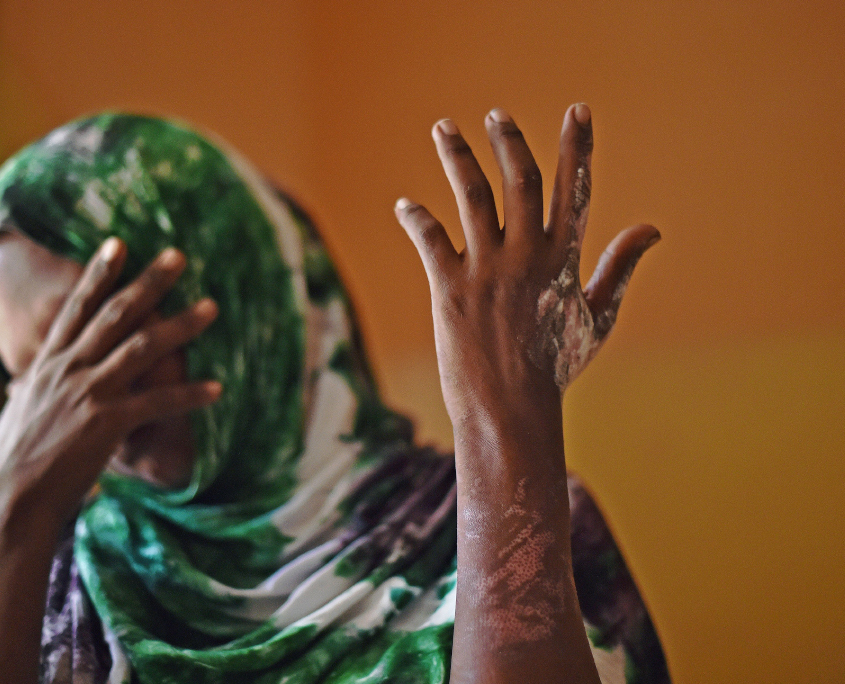
International day for the Elimination of Sexual Violence in Conflict
Elevating the voices of survivors of sexual violence in Africa
In many parts of Africa, survivors of sexual violence often remain unheard because silence is frequently enforced by fear, stigma, and weak protection systems. Survivors may fear retaliation from perpetrators, rejection from their families, disbelief from authorities, or public shaming from their communities. As a result, many either do not report their experiences or choose to remain silent long after the harm has occurred.
Addressing this silence requires more than encouraging survivors to speak. It requires transforming the social, institutional, and communicative environments that determine whether speaking is safe, dignified, and meaningful.
A critical starting point is recognising that voice is only possible where safety exists. Survivors are more likely to speak when they are confident that their identity will be protected, their accounts will be taken seriously, and their well-being will not be further compromised. This means that reporting systems must be trauma-informed, confidential, and accessible. Anonymous hotlines, survivor-centred care centres, and trusted community-based reporting channels are essential in creating entry points that do not expose survivors to additional harm.
Equally important is shifting how society communicates about sexual violence. Too often, conversations are shaped by blame, suspicion, or judgment. Questions such as “Why did you not report earlier?” or “Why were you there?” reinforce silence rather than break it. In contrast, survivor-centred communication emphasises belief, empathy, and support. Phrases such as “You are not alone,” “We believe you,” and “What support do you need?” help create an environment where disclosure is not met with fear or shame.
However, elevating survivor voices does not mean requiring every survivor to publicly share their story. Not all forms of expression need to be direct or identifiable. Survivors can be supported to speak through anonymous written accounts, collective storytelling platforms, art, music, poetry, or voice-masked digital narratives. These alternative formats allow experiences to be shared while preserving dignity, privacy, and emotional safety. In this way, voice becomes not only individual but also collective.
Media and digital platforms also play a powerful role in shaping whether survivor voices are amplified or suppressed. Responsible reporting avoids sensationalism, protects identities, and centres systemic issues rather than isolated incidents. Ethical storytelling requires informed consent, careful anonymisation, and a focus on resilience and recovery as much as harm. When media narratives prioritise dignity over spectacle, survivors are more likely to feel safe engaging with public discourse.
At the community level, long-term change depends on shifting social norms. Sexual violence persists in environments where stigma discourages disclosure and where survivors risk being blamed or isolated. Communities must therefore play an active role in challenging harmful attitudes, supporting survivors, and holding perpetrators accountable. This includes engaging men and boys in conversations about consent and respect, and encouraging religious, cultural, and civic leaders to speak openly about protection, justice, and dignity.
Institutional systems must also reinforce these efforts. One-stop centres that provide medical care, psychosocial support, and legal assistance reduce the burden on survivors navigating multiple systems. Fast, fair, and sensitive justice processes are equally important in ensuring that reporting leads to meaningful outcomes rather than retraumatisation.
In such an environment, survivor voice becomes not an exception, but part of a broader culture of dignity, justice, and collective responsibility.

