
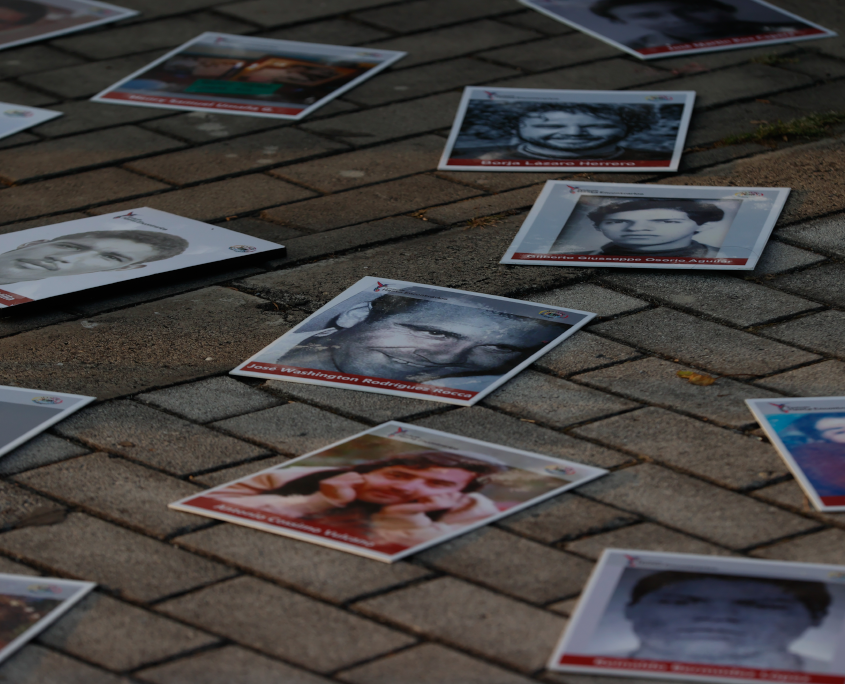
International Day of the Victims of Enforced Disappearance
How fear shapes the stories societies tell, or choose not to tell
Unlike many other forms of violence, enforced disappearance leaves families suspended between hope and uncertainty. They often do not know where their loved ones are, what happened to them, or whether they will ever return. The absence of answers creates a profound emotional burden that can endure for years, even generations. Yet the impact of enforced disappearance extends beyond those directly affected. It also shapes how societies remember, communicate, and learn from difficult chapters in their history. One of its most enduring consequences is the fear it creates. This fear can influence not only what people say, but also what they choose not to say.
Fear often shapes how communities respond to loss and uncertainty. Families, witnesses, and community members may hesitate to share their experiences because of concerns for their safety, privacy, or well-being. Others may remain silent out of grief, mistrust, or a desire to protect those around them. While these responses are deeply human, they can also mean that valuable testimony, lived experiences, and historical memory gradually fade from public understanding. As we commemorate this year’s International Day of the Victims of Enforced Disappearance, it is important to consider how to document experiences, preserve memory, and ensure that silence does not become a barrier to justice, learning, and social healing.
Documenting experiences associated with enforced disappearance is about more than preserving historical records. It is about recognising the dignity of those affected, ensuring their experiences are neither forgotten nor overlooked, and creating learning opportunities that can help prevent similar harms in the future. It requires exceptional care and responsibility. This is because every testimony represents a deeply personal experience that deserves to be treated with respect, sensitivity, and informed consent. Consequently, ethical documentation begins by recognising that people should always have agency over whether, when, and how their stories are shared.
Such responsible communication also means understanding that not every story needs to be told publicly to have value. In some circumstances, protecting an individual’s privacy or security may be the most respectful course of action. The goal should never be to collect stories for their own sake but to create trusted spaces where people who choose to share their experiences can do so safely and with confidence that their dignity will be protected.
Equally important is avoiding approaches that unintentionally retraumatise survivors or affected families. Stories should not reduce individuals to their suffering or present them solely through the lens of loss. Instead, thoughtful documentation acknowledges the complexity of people’s lives, recognising not only grief and uncertainty but also resilience, hope, solidarity, and the strength communities often demonstrate in supporting one another through difficult circumstances.
At the same time, documenting these experiences is not solely about the past. It is also about creating the conditions for healing, trust, and reconciliation. When experiences are preserved ethically and respectfully, they become part of a shared record that acknowledges suffering without exploiting it and honours memory without sensationalising it.
By responsibly documenting sensitive experiences, protecting privacy, and amplifying voices with care and consent, publishing contributes to something larger than historical record-keeping. It helps ensure that silence does not erase lived experience, that memory continues to inform learning, and that the stories entrusted to us become a foundation for dialogue, understanding, and a more compassionate future.

