
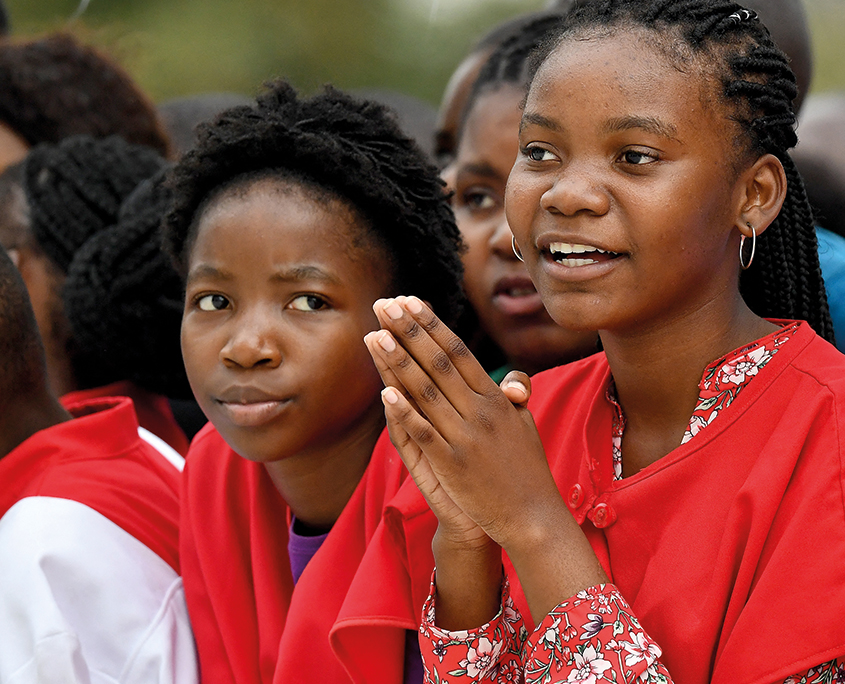
International Day of Women and Girls of African Descent
It’s not enough to simply record the stories of African women and girls
For generations, countless stories of African women and girls have gone untold. Others have been told only in fragments, while many more have disappeared altogether because they were never documented. As publishers, we have long believed that recording these stories is both a responsibility and an act of justice. Every biography, memoir, research publication, oral history, and community archive helps to ensure that the contributions of African women and girls become part of the historical record. However, increasingly, we have found ourselves asking a different question. What should happen after the stories are documented?
Documentation is essential, but it is only the beginning. A story that remains on a shelf, in an archive, or hidden in a digital repository cannot fulfil its greatest purpose. The real measure of documentation is how many lives those stories continue to shape. The next step, therefore, is to make these stories visible.
They should find their way into classrooms where young people learn about the people who shaped their societies. They should feature in public libraries, museums, podcasts, documentaries, and community conversations. They should become part of national narratives rather than occasional additions during commemorative events. When the achievements of African women and girls become visible, they stop being exceptions and become recognised as an integral part of Africa’s story.
Visibility, however, should lead to something even more meaningful: inspiration. Every generation searches for examples of what is possible. When young girls encounter women who have led communities, advanced science, built businesses, transformed agriculture, negotiated peace, created art, or preserved culture, they gain more than knowledge. They gain confidence that they, too, belong in those spaces. Representation becomes both a recognition and an expansion of the imagination of what the future can hold.
These stories should also inform how we make decisions. The experiences of women and girls in Africa are a rich source of knowledge about leadership, resilience, entrepreneurship, caregiving, environmental stewardship, conflict resolution, and community development.
Too often, this knowledge is admired but rarely incorporated into policies, institutions, or development programmes. Documentation should therefore become a bedrock of evidence that informs better decision-making, ensuring that the lived experiences of women contribute not only to history but also to the future.
Documentation must also foster continuity. Each generation should inherit more than the stories of those who came before. It should inherit the lessons, insights, and wisdom contained within those stories. This requires deliberate efforts to connect generations through mentorship, intergenerational dialogue, reading programmes, public exhibitions, and accessible digital archives. A documented story becomes most powerful when it sparks another story, when one woman’s journey encourages another to lead, innovate, create, or persevere.
Consequently, documenting the lives of African women and girls becomes more than filling historical gaps. It ought to strengthen the foundation upon which future generations build. Every documented story carries within it the potential to educate, influence, inspire, and transform. When we ensure that these stories are read, discussed, taught, and applied, they become more than records of achievement. They become living resources that shape aspirations, inform decisions, and redefine what future generations believe is possible.

