
International Day of Zero Waste
The true cost of increased solid waste
Each year, the International Day of Zero Waste prompts us to look beyond surface-level concerns about litter and landfills to the broader, often overlooked costs of rising solid waste. The impact of this unmanageable waste goes far beyond visible trash; it tests our public health systems, stretches municipal budgets, threatens climate stability, and challenges the long-term livability of cities.
The sheer volume of municipal solid waste generated globally has reached a level beyond normal human reference points. When waste must be described in planetary metaphors to be understood, it signals a structural problem. This is no longer simply about individual behaviour but reflects the way economies produce, distribute, and consume goods. The cost of unmanaged solid waste is not only environmental but also economic and social.
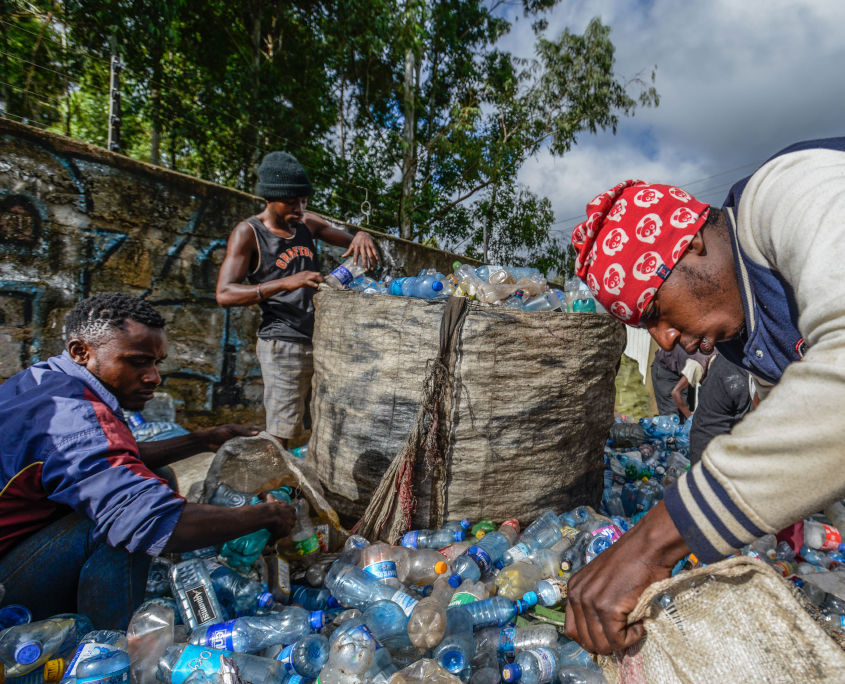
Current waste management systems focus on collection and disposal rather than reducing waste generation. As populations grow and cities expand, waste volumes rise, and Municipalities face increasing expenses for collection, transportation, and landfill upkeep. In many countries, infrastructure struggles to keep pace. Where formal systems fall short, informal workers often step in, usually facing unsafe, unprotected conditions.
It is important to note that environmental consequences build up over time. Decomposing organic waste in landfills creates methane, a greenhouse gas. Plastics break down into microplastics, polluting soil, waterways, and food. Burning waste pollutes the air and harms health. These impacts add up, becoming long-term liabilities far beyond initial disposal.
Without intervention, the problem with solid waste production and disposal is likely to compound considering that waste does not disappear; it accumulates. Consequently, today’s consumption patterns shape tomorrow’s environmental conditions. Decisions made now about product design, packaging, procurement, and infrastructure investment will determine whether waste volumes stabilise or continue to escalate. If growth continues unchecked, the financial and ecological burden will increasingly shift to younger generations, who will inherit higher cleanup costs and diminished environmental resilience.
The International Day of Zero Waste is a call to transform how we address waste: beyond symbolic gestures, it demands systemic reforms. Key actions include reducing waste at the source, advancing circular economy models, enhancing product durability and reparability, and improving data and accountability systems. Prevention is both environmentally sound and fiscally prudent.
We all must understand that zero waste is not about instant elimination of all waste, but about shifting our approach from consequence management to root-cause prevention. The question is not simply how much we throw away but whether we are prepared to redesign the systems that make such waste inevitable, and whether we are willing to act before the cost becomes irreversible. Every sector should reject the linear “take-make-dispose” model and implement systems that maximise material value over time, directly confronting the true cost of waste.

