
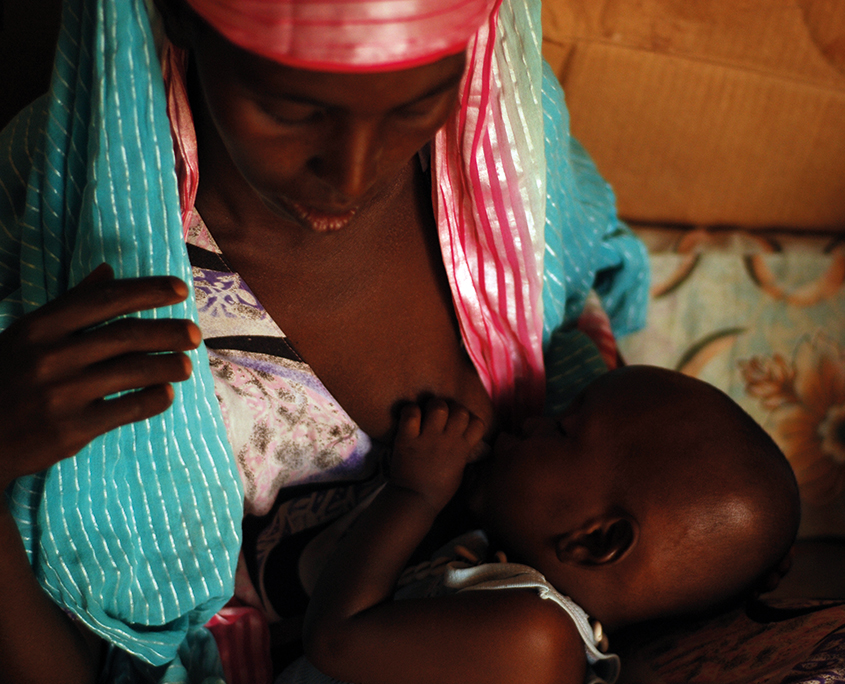
World Breastfeeding Week
Celebrating mothers’ breastfeeding journeys without judgement
Each year, World Breastfeeding Week offers an opportunity to reflect on the role of breastfeeding in promoting child health and well-being, while recognising the circumstances that influence a mother’s ability to breastfeed. Across Africa, where families navigate diverse economic, cultural, and social realities, the conversation is increasingly shifting beyond awareness to the importance of creating environments that enable mothers to make informed infant feeding decisions.
The World Health Organization (WHO) and UNICEF recommend exclusive breastfeeding for the first six months of a child’s life, followed by continued breastfeeding alongside appropriate complementary foods for up to two years or beyond. These recommendations are based on extensive scientific evidence linking breastfeeding to positive health outcomes for infants and mothers. However, translating these recommendations into practice is often influenced by factors that extend far beyond individual choice.
For many mothers across the continent, breastfeeding takes place alongside demanding responsibilities. Some return to work within weeks or months after childbirth, particularly in the informal economy where maternity protections may be limited or unavailable. Others balance childcare with farming, small businesses, or daily wage employment, often without access to flexible schedules or dedicated spaces for breastfeeding or expressing breast milk. Household responsibilities, long commutes, and limited family support can add further pressure during an already demanding period.
Cultural beliefs and community practices also shape infant feeding decisions. Advice from family members, traditional customs, and widely held misconceptions can sometimes conflict with current health guidance, leaving new mothers uncertain about the best course of action. In these situations, access to accurate information from qualified healthcare providers and trusted community health workers becomes especially important.
Recognising these realities has broadened the conversation around breastfeeding. Increasingly, health experts emphasise that successful breastfeeding should not be viewed solely as a mother’s responsibility but as a shared societal commitment. Families, employers, healthcare providers, policymakers, and communities all have a role to play in creating conditions that make breastfeeding more manageable for those who choose to breastfeed.
Support can take many forms. Partners and family members can assist with household responsibilities, provide emotional encouragement, and help create time for mothers to rest and care for their infants. Employers can contribute by implementing family-friendly workplace policies, including, where possible, flexible working arrangements, reasonable breastfeeding breaks, and private spaces for expressing and storing breast milk. Healthcare providers can offer timely guidance to help mothers address common breastfeeding concerns, while community-based support groups can provide encouragement through shared experiences.
Public policy also plays an important role. Maternity protection, access to quality maternal and child health services, workplace standards, and public education initiatives all contribute to environments that better support mothers during the early months of parenthood. Continued investment in these areas not only benefits individual families but also strengthens broader public health outcomes.
Also crucial is that conversations about breastfeeding should remain respectful and free from judgement. Every mother’s circumstances are unique, and infant feeding journeys may differ depending on health, employment, family situations, and access to support services. Constructive dialogue recognises these differences while encouraging informed decision-making based on reliable, evidence-based information.
As we celebrate World Breastfeeding Week, it is important to remember that improving maternal and child health requires more than awareness campaigns alone. It calls for practical action that removes barriers, strengthens support systems, and enables mothers to care for their children in ways that are informed, safe, and appropriate to their circumstances. Supporting breastfeeding should not be solely about the decisions made within individual households. It is about building communities, workplaces, and health systems that recognise the realities mothers face and respond with understanding, practical support, and evidence-based guidance.

