
Communicating environmental change when not everything can be measured
Environmental decisions are rarely made with perfect information. Across the world, governments, researchers, conservation organisations, and communities are tasked with responding to climate change, biodiversity loss, water scarcity, and land degradation, often while important pieces of the environmental picture remain incomplete. Some ecosystems are monitored regularly, while others have little or no long-term data. Certain regions are well-studied, whereas others remain difficult to access due to geography, limited resources, or changing conditions on the ground. These realities necessitate understanding how to communicate what we know and what we do not know about the environment so that better decisions can still be made.
Environmental change is rarely visible through a single indicator. A lake’s declining water quality may reflect pollution from upstream activities. Reduced river flows may indicate changing rainfall patterns, increased water abstraction, or shifts in land use. A shrinking forest may be linked to agricultural expansion, infrastructure development, or prolonged drought. Understanding these changes requires multiple sources of information working together rather than in isolation. Scientists therefore draw upon a wide range of evidence, including satellite imagery, field surveys, ecological monitoring, climate records, water quality assessments, geographic information systems, and increasingly, the observations of local communities and Indigenous Peoples. Each source contributes part of the picture. Together, they help build the most reliable understanding possible, even when some information is incomplete.
Incomplete data, however, does not mean that decisions should be delayed indefinitely. Environmental management often requires action before every question has been answered. Governments cannot postpone drought preparedness until decades of climate records have been collected. Restoration programmes cannot wait until every degraded landscape has been surveyed. Communities facing declining fisheries or worsening floods need timely information, even when monitoring continues to evolve.
The answer lies not in waiting for perfect data, but in communicating evidence clearly, transparently, and responsibly. The challenge is not simply to present data, but to help people understand what the evidence means, where its limitations lie, and how confident they can be in the conclusions being drawn. Technical reports often contain sophisticated analyses that are indispensable for scientific research, yet many of the people responsible for making decisions, including policymakers, development practitioners, local authorities, educators, journalists, and community leaders, require information that is accessible without sacrificing accuracy.
Thoughtful communication bridges this gap. Maps can reveal patterns that would otherwise remain hidden in tables of numbers. Infographics can explain complex relationships between rainfall, land use, and water quality. Diagrams can illustrate how activities occurring across an entire watershed influence the health of a single lake. Executive summaries and policy briefs can distil extensive technical findings into practical insights for decision-makers. Together, these communication tools transform evidence into knowledge that people can understand and apply.
Equally important is communicating uncertainty honestly. Explaining what is known, what remains uncertain, and where additional monitoring is needed strengthens credibility and builds trust. It allows readers to understand the confidence behind conclusions while recognising that environmental knowledge continues to evolve as new information becomes available.
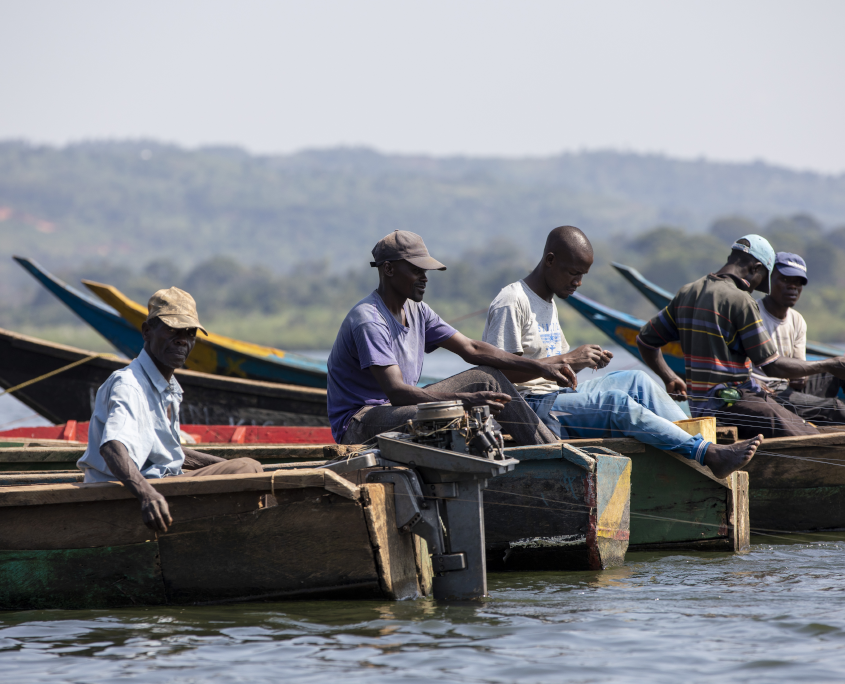
Effective communication also recognises that environmental knowledge extends beyond scientific measurements alone. Communities that depend directly on forests, rivers, lakes, grasslands, and coastal ecosystems often observe changes over many years or even generations. Their experiences can complement scientific monitoring by identifying local trends, seasonal variations, or emerging challenges that formal assessments may not immediately capture. Therefore, integrating scientific evidence with local knowledge creates a more complete understanding of environmental change while encouraging broader participation in environmental stewardship.
The environment will always hold uncertainties. Our responsibility is not to eliminate every gap in knowledge before acting, but to ensure that the knowledge we do have is communicated in ways that are transparent, accessible, and meaningful.

