
World Humanitarian Day
What humanitarianism looks like in communities
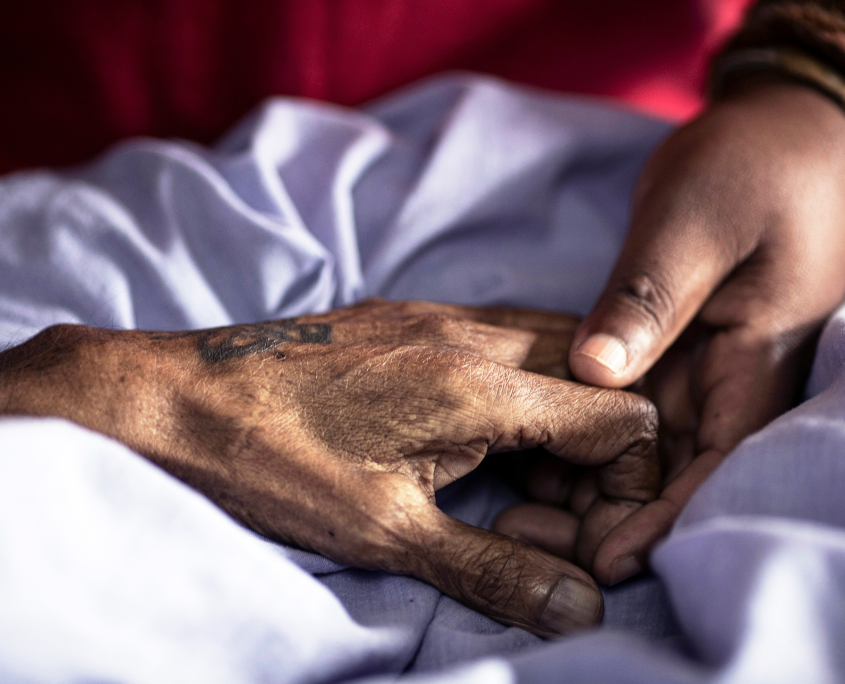
Humanitarianism is often associated with emergency response teams, relief agencies, and large-scale operations mobilised during conflicts, natural disasters, or public health emergencies. Images of food distributions, temporary shelters, and medical assistance have become synonymous with humanitarian action. While these interventions remain vital, they tell only part of the story. Long before formal assistance arrives, and often long after it has ended, communities are already responding to human need. They organise, adapt, and support one another using the knowledge, relationships, and resources available to them. In these everyday acts of care lies another important dimension of humanitarianism: a shared commitment to protecting human dignity.
Across Africa and around the world, communities demonstrate humanitarian values in countless ways. During floods, neighbours open their homes to displaced families. During droughts, farmers share water sources and livestock management practices. Community health volunteers continue reaching vulnerable households even when resources are limited. Youth groups organise clean-up campaigns, collect food and essential supplies, or use digital platforms to coordinate local support. Faith-based organisations provide shelter, counselling, and meals to those facing hardship, while local leaders mobilise collective action to protect vulnerable members of society. These actions may not always be described as humanitarian work, yet they embody compassion, solidarity, impartiality, and a commitment to helping others in times of need, all principles that define humanitarianism.
Recognising humanitarianism at the community level also broadens our understanding of resilience. Communities are not simply recipients of aid but active participants in preparing for, responding to, and recovering from crises. Their local knowledge, social networks, and lived experience often shape how effectively challenges are managed. Whether responding to climate-related disasters, disease outbreaks, displacement, or economic shocks, community-led initiatives frequently provide the first line of support while strengthening the foundations for long-term recovery.
This perspective is increasingly relevant as humanitarian and development challenges become more interconnected. Climate change, food insecurity, migration, public health, and livelihoods influence one another in complex ways. Addressing these challenges requires more than emergency relief alone. It calls for approaches that recognise local capacity, encourage collaboration, and build on the strengths that already exist within communities.
Equally important is ensuring that these experiences are documented and shared. Every community response generates valuable lessons about leadership, cooperation, communication, and adaptation. Yet many of these stories remain local, passed between neighbours or confined to project reports that reach only a limited audience. Publishing plays an important role in preserving and amplifying these experiences. Case studies, community profiles, oral histories, photo essays, policy briefs, and multimedia publications help capture lessons that might otherwise be overlooked. They transform individual experiences into shared knowledge that can inform humanitarian practitioners, development organisations, researchers, policymakers, and communities facing similar challenges elsewhere.
At the same time, documenting community responses requires thoughtful and ethical communication. Stories should reflect people’s experiences with accuracy, respect, and informed consent. They should avoid portraying individuals solely through the lens of vulnerability or suffering. Instead, responsible storytelling recognises people as decision-makers, caregivers, innovators, and contributors to their own recovery. It acknowledges both the hardships communities face and the strengths they demonstrate in overcoming them. This balanced approach helps create a more complete understanding of humanitarian action. It reminds us that while institutions and humanitarian organisations play indispensable roles, they are often working alongside communities that have already mobilised their own networks of care and support.
To this end, humanitarianism is more than a sector or a profession. It is a mindset rooted in empathy, solidarity, and respect for human dignity. By documenting these everyday expressions of care, publishing helps ensure that community knowledge is preserved, local leadership is recognised, and the lessons of resilience continue to inform how societies prepare for and respond to the challenges of an ever-changing world.

