
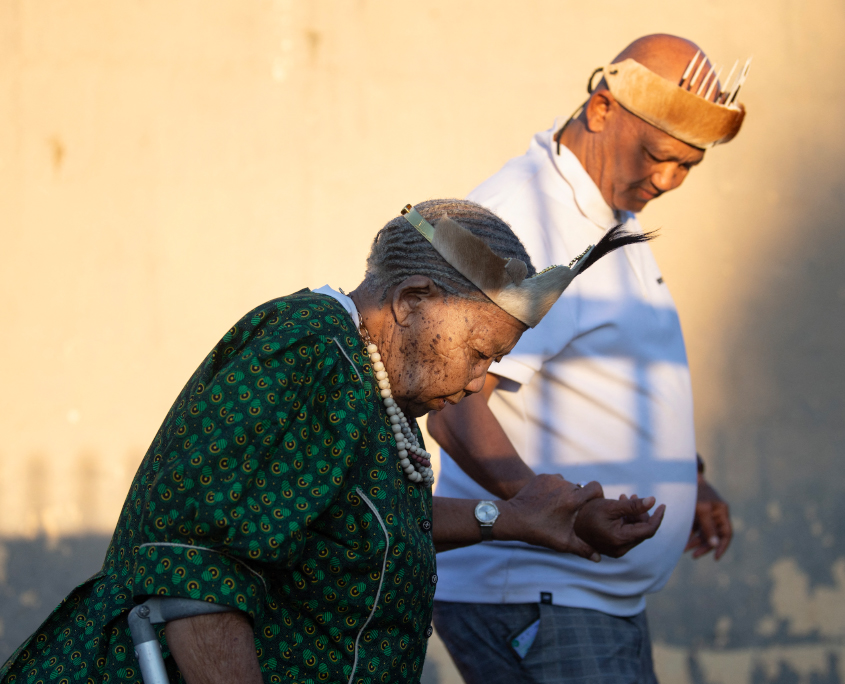
Photo Credit: Rodger Bosch/AFP via Getty Images
Global Day of Parents
The changing shape of family life in Africa
In many African societies, parenting and family life are undergoing significant transformation. While the image of the extended family remains culturally influential, modern realities have gradually reshaped how parents raise children, how families interact, and how responsibility is shared. These changes are not all good or bad; rather, they reflect broader social, economic, and cultural shifts taking place across the continent and around the world.
Traditionally, parenting in many African communities was deeply communal. Child-rearing extended beyond biological parents to include grandparents, aunts, uncles, older siblings, neighbours, and community elders. Guidance, discipline, storytelling, and emotional support were often collective responsibilities. Parents operated within a social structure where values and expectations were widely shared and reinforced by the community.
Today, however, parenting is increasingly centred within the nuclear household. Urbanisation, migration, and economic pressures have altered the structure of family life, with many parents now raising children away from ancestral homes and extended family networks, often in cities with limited space, time, and social support. As a result, parenting has become more individualised, with mothers and fathers carrying responsibilities once distributed across a wider social circle.
This transformation has also changed the emotional and practical role of parents. In addition to providing financially, parents are now expected to be emotionally available, educationally involved, and psychologically attentive to their children’s development. Conversations around mental health, emotional intelligence, and positive parenting have become more visible, especially among younger generations. Fathers, in particular, are increasingly participating in caregiving and emotional nurturing in ways that differ from more traditional expectations centred primarily on provision and authority.
At the same time, many parents face competing pressures. Economic uncertainty, demanding work schedules, and rising living costs often reduce the amount of time families spend together. Digital technology and social media have further transformed the parent-child relationship by exposing children to global cultures, ideas, and influences that may differ from those of their parents. This has created both opportunities for broader learning and challenges around communication, discipline, and identity formation.
Several factors have contributed to this shift in parenting and family structures. Urban migration has separated families from traditional support systems, while globalisation has encouraged more individual-centred lifestyles. Increased access to education and employment, especially for women, has changed household dynamics and gender roles. Economic systems prioritising mobility and productivity have gradually reduced the role of community-based living and interdependence.
Despite these changes, new forms of family and parenting are emerging. Many families are finding alternative support systems through friendships, faith communities, schools, and digital connections. Some parents are intentionally creating environments that combine traditional values of care and responsibility with more modern approaches to communication and emotional well-being.
Strengthening these new forms of parenting may require both social and institutional support. Flexible work structures, accessible childcare, community programmes, and safe public spaces can help reduce the pressure on parents. Equally important is preserving meaningful intergenerational relationships, even within changing lifestyles. Grandparents and elders continue to play an important role in transmitting cultural knowledge, identity, and continuity.
This transformation of parenting in Africa reflects societies adapting to changing realities. While the structures surrounding family life may look different from previous generations, the underlying desire for stability, belonging, guidance, and care remains deeply present. The challenge moving forward lies in building systems and relationships that sustain these values amid evolving social conditions.

