
World Day to Combat Desertification and Drought
Rangeland conservation at community level
At a continental scale, Africa’s rangelands are among the largest remaining interconnected landscapes on Earth. Their importance extends far beyond the communities that inhabit them. Importantly, their degradation affects not only local communities but also national economies, climate resilience, and progress towards global environmental commitments. The challenge is helping communities see the connection between the land they call home and the broader benefits rangelands offer.
Historically, rangelands were often viewed as marginal lands with limited economic value. Today, there is growing recognition that they are among the world’s most important ecosystems. Healthy rangelands contribute to national food security through livestock production, water security for downstream populations, biodiversity conservation, climate change mitigation and adaptation, and rural economic development.
For many pastoralists and agro-pastoralists, rangelands are not primarily conservation assets but a livelihood resource. A herder may not think in terms of ecosystem services, carbon sequestration, or landscape restoration. They consider whether pasture will last through the dry season, whether livestock will survive drought, whether water points remain accessible, and whether household income can be sustained. This suggests that communication about rangelands should start with local realities rather than abstract conservation concepts. Discussions around soil erosion, regenerative agriculture, or sustainable grazing are often more meaningful when linked directly to livestock productivity, food security, drought resilience, and household well-being.
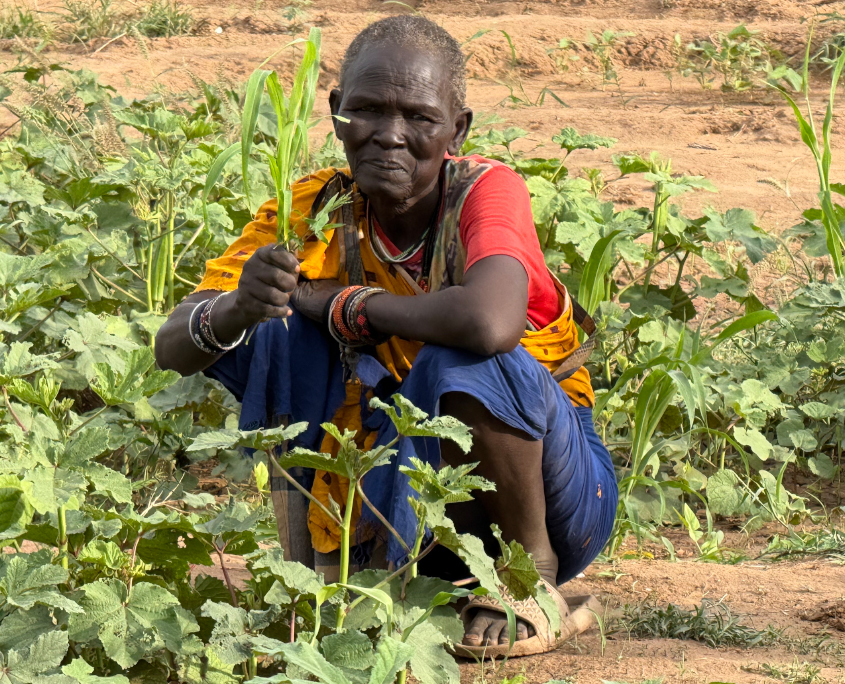
One of the most overlooked dimensions is that rangelands are lived landscapes. They are places of memory, identity, culture, and belonging. Communities may not use terms such as “ecosystem conservation” or “landscape restoration,” yet they possess deep knowledge about seasonal grazing patterns, traditional resource governance systems, indigenous vegetation, wildlife movements, and water management practices. Many communities already understand environmental change through lived experience. They know when certain grasses have disappeared, when rivers no longer flow as they once did, or when droughts have become more frequent. Therefore, people are likely to engage when they understand how ecosystem health affects their daily lives. Additionally, the task should not be simply to educate communities but also to document and elevate the knowledge they already possess.
Africa has seen a growing number of policies, strategies, and frameworks addressing land restoration, sustainable livestock systems, climate adaptation, and biodiversity conservation. However, policies rarely change landscapes on their own. A policy document may explain why rangelands matter nationally, but unless communities understand and see themselves within that vision, implementation remains limited. Conversations on why erosion is increasing, what degraded land means for future generations, how overgrazing affects livestock productivity, and what role communities can play in restoration need to be held at the community level. These conversations require translating technical concepts into practical and locally relevant language.
One of the greatest opportunities lies in documentation. Across Africa, communities are already experimenting with rotational grazing, grass reseeding, community conservancies, regenerative agriculture practices, traditional rangeland governance systems and drought adaptation measures. When such lessons are not captured, communities are forced to solve similar problems repeatedly without benefiting from each other’s experiences. Communities need opportunities to receive information, and equally importantly, to contribute their own knowledge, document their experiences, and participate in shaping solutions.
The most sustainable conservation outcomes are likely to emerge when rangelands are understood simultaneously as home, livelihood system, cultural landscape, ecological asset, and national resource. The challenge is to ensure this understanding is built from the ground up through conversation, documentation, and community ownership, rather than communicated solely through policy documents.

